Washi
Washi unites Japanese restraint and grace, natural materials and quiet craftsmanship - a living heritage at your window.
In 2014, this craft - "Washi, craftsmanship of traditional Japanese hand-made paper" - was inscribed on UNESCO's Representative List of the Intangible Cultural Heritage of Humanity.
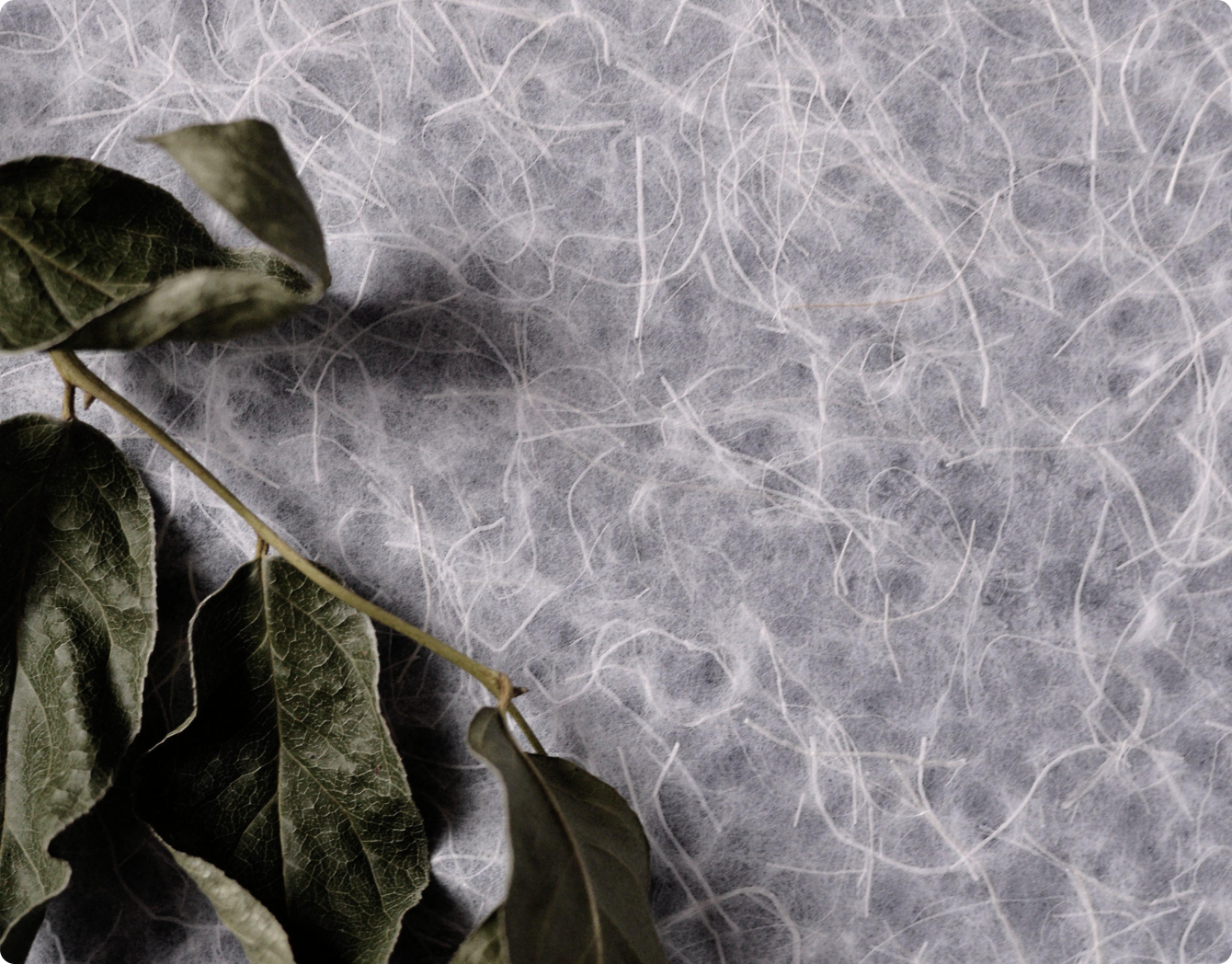
Washi is traditional Japanese paper, made for more than 1,300 years from the bark of plants, by craftspeople following techniques passed from one generation to the next. Every Wood & Washi screen begins here: with Japanese kōzo fibre, prepared by hands that still follow the old ways.
When a Wood & Washi screen hangs at your window, it isn't simply a window covering. It is a piece of a living tradition - natural fibre, formed with patience, and quietly unlike anything mass-produced.
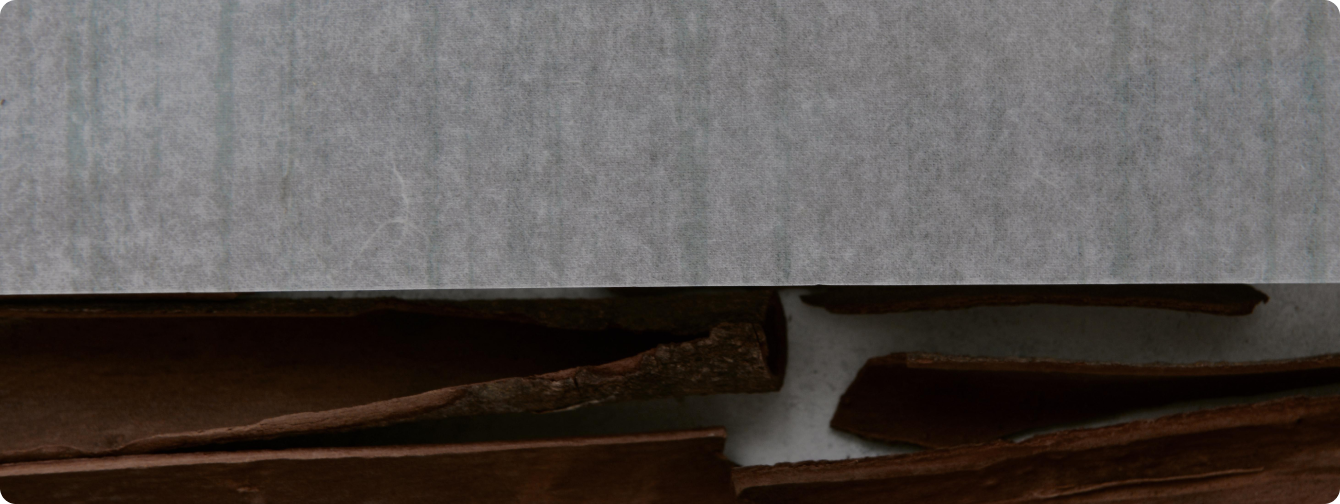
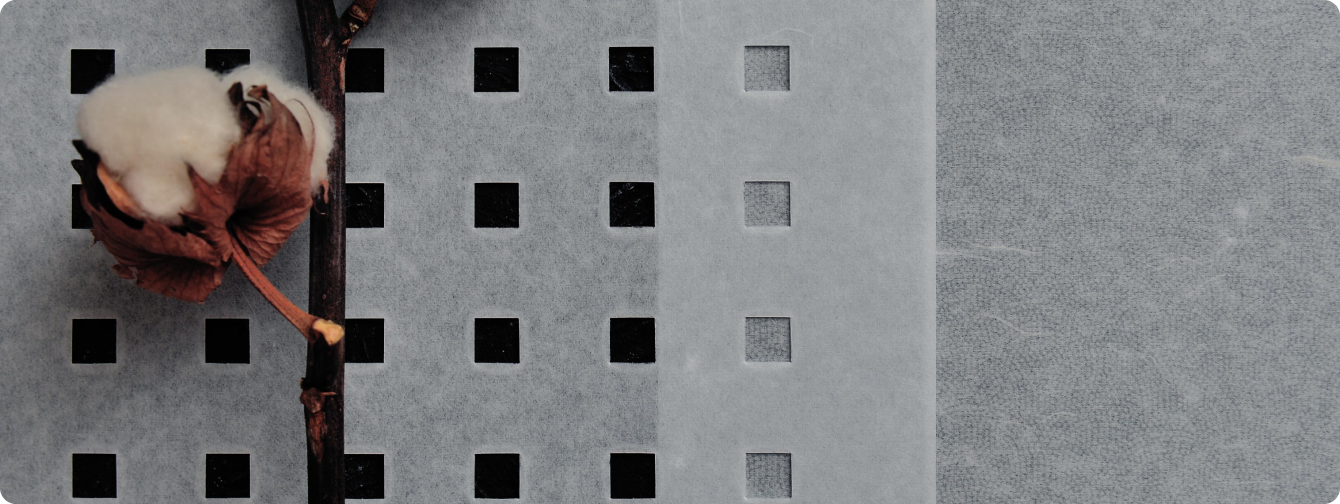
The UNESCO inscription recognises three traditional techniques - Sekishū-banshi, Hon-Minoshi and Hosokawa-shi - kept alive in their home regions of Shimane, Gifu and Saitama. In these communities the craft is transmitted within families, master to apprentice, and regarded as a symbol of cultural identity. It is this heritage of hand, fibre and water that inspires everything Wood & Washi makes.
Uniqueness in each panel
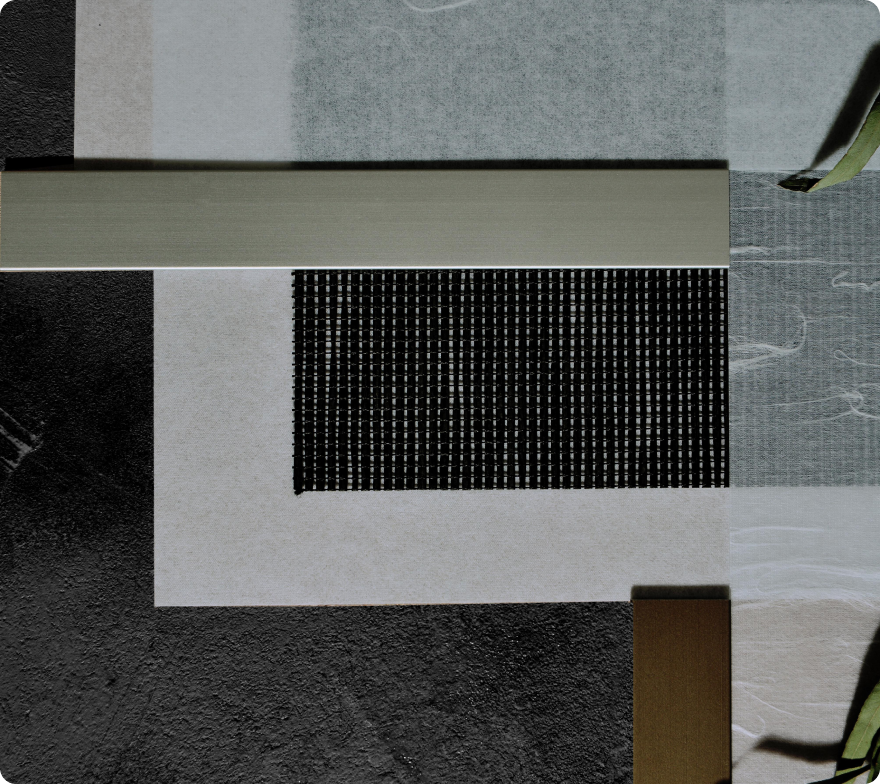
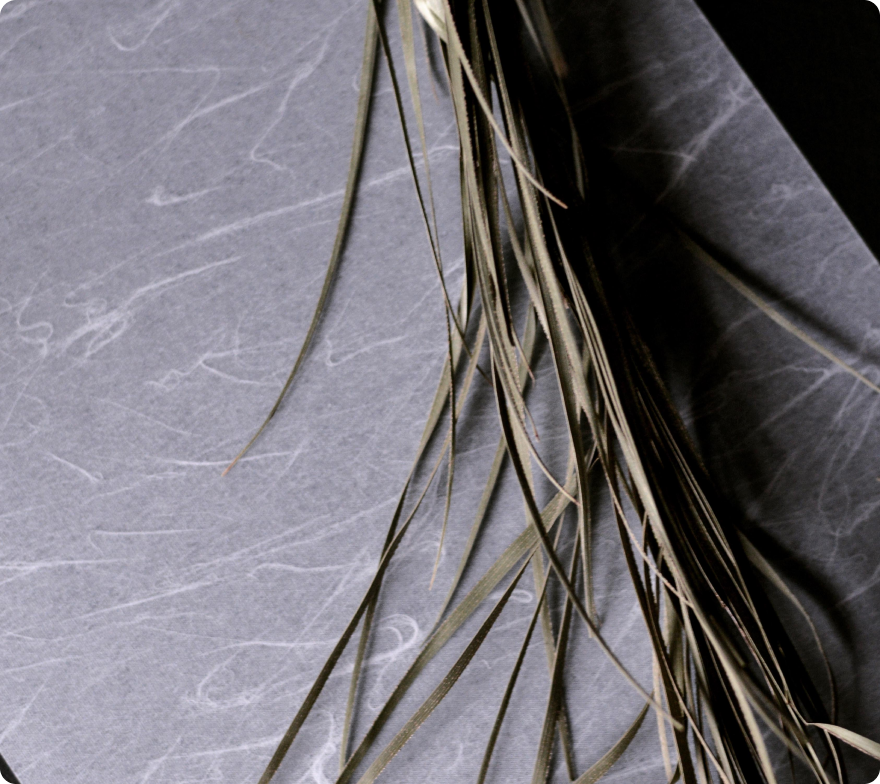
Washi is a living material. Held against the light, the fibers reveal themselves - a soft, ever-changing play of light and shadow that belongs to your window alone. Each sheet carries an understated translucency and a subtly irregular texture that machine-made paper cannot reproduce; no two are quite alike.
This is the quiet luxury of the natural: not a pattern repeated a thousand times, but a single, living surface.

Material & making
Washi is an eco-friendly material, singular in both composition and method. Each autumn the young kōzo shoots are cut, steamed and stripped of their bark. The inner bark is soaked in clear mountain water, cleaned by hand of every speck, and gently beaten until the fibers float free. Formed on a screen and left to dry, they become a paper that is translucent yet resilient, light yet enduring.
No harsh chemicals are used in the process, which is why washi keeps its color and resists yellowing even in direct sunlight. Wood & Washi sources its paper in Japan, from makers who still follow these traditional methods, and selects the finest kōzo for every screen.